If you are in your late 20s to mid-40s, juggling a demanding job, family or social obligations, and the constant pressure to be productive, CBD probably looks appealing on paper. It arrives with promises of better sleep, less anxiety, and easier recovery after workouts. At the same time, the market is thick with glossy marketing, inconsistent product claims, and confusing terminology. That tension - wanting relief but distrusting a booming wellness industry - explains why many professionals stall, try a product or two, and then give up or never commit to a clear path.
This article breaks down what actually matters when evaluating CBD options, examines the common route most people take, compares that with medical-grade approaches, surveys other formats and alternatives, and then walks you through choosing a practical strategy you can trust. The goal is to cut through the hype with a skeptical but helpful lens.
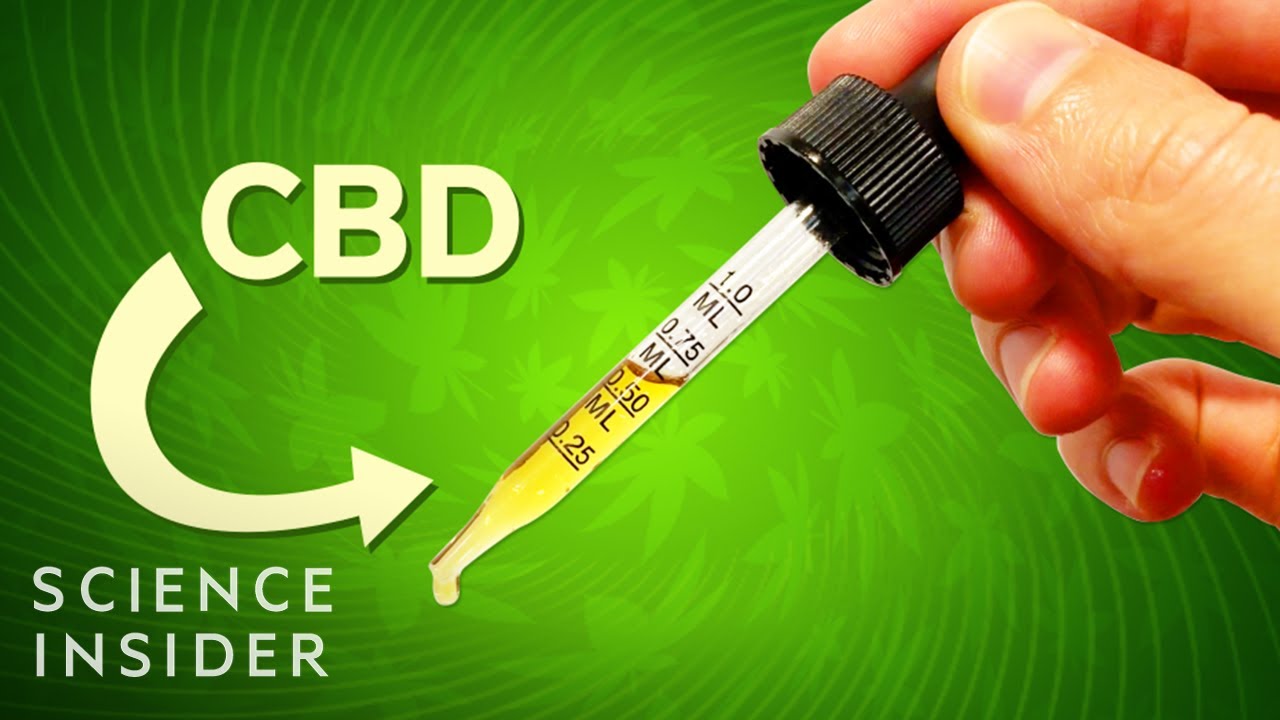
3 Key Factors When Choosing a CBD Approach
When you compare options, three things will consistently separate what functions from what is mostly packaging. Keep these front and center.
- Product quality and transparency: Independent lab testing, clear CBD concentration per serving, and information on contaminants (heavy metals, pesticides, solvents) are non-negotiable. In contrast, products that hide test results or use vague language like "natural botanicals" are worth avoiding. Pharmacology and realistic effects: CBD is not a miracle pill. Expect modest benefits for sleep or anxiety in many cases, especially when paired with good sleep hygiene or therapy. Also consider drug interactions - CBD influences liver enzymes (CYP450), which can change blood levels of other medications you might be taking. Delivery method, dose, and timing: Bioavailability differs - vaping or tinctures absorb faster than capsules or edibles. Dose matters, and the effective amount varies by person and condition. A one-size-fits-all marketing dose is a red flag.
In short, the decision hinges on three comparative questions: Is the product honest about what is in the bottle? Is CBD likely to deliver meaningful effects for the problem I want to solve? And does the form and dosing fit my lifestyle and risk tolerance?
Common Over-the-Counter CBD Routines: Pros, Cons, and Real Costs
Most people try CBD through easy-access options: tinctures, gummies, or topical creams bought at wellness shops, gas stations, or online marketplaces. Here is what to expect when you go that route.
Pros
- Easy access and minimal friction - you can buy without a prescription and start experimenting right away. Non-intoxicating profile for most mainstream CBD products, meaning no high to impair work or family duties. Variety of flavors, formats, and price points to match personal preference.
Cons and hidden costs
- Label inaccuracy is surprisingly common. Several studies have found products with less CBD than advertised or with undeclared THC content. That introduces legal and workplace testing risks. Variable dosing guidance. Many packages suggest a vague dose like "start with 1 dropper" without specifying CBD milligrams per dropper. You may spend months figuring out a dose that does anything. Contaminant risk. Cheap hemp can concentrate heavy metals, and not all manufacturers test for solvent residues or pesticides. False expectations. Marketing often oversells benefits for complex issues like clinical anxiety or chronic pain. That can lead to disappointment and abandoning a potentially useful tool prematurely.
Real cost is not just dollars. Time spent trialing products, the mental tax of uncertain results, and the risk of drug interactions or workplace issues are real downsides. In contrast, if you pick a reputable brand with third-party testing and clear dosing, OTC routes can offer low-risk relief for sleep sweeps or minor situational anxiety.
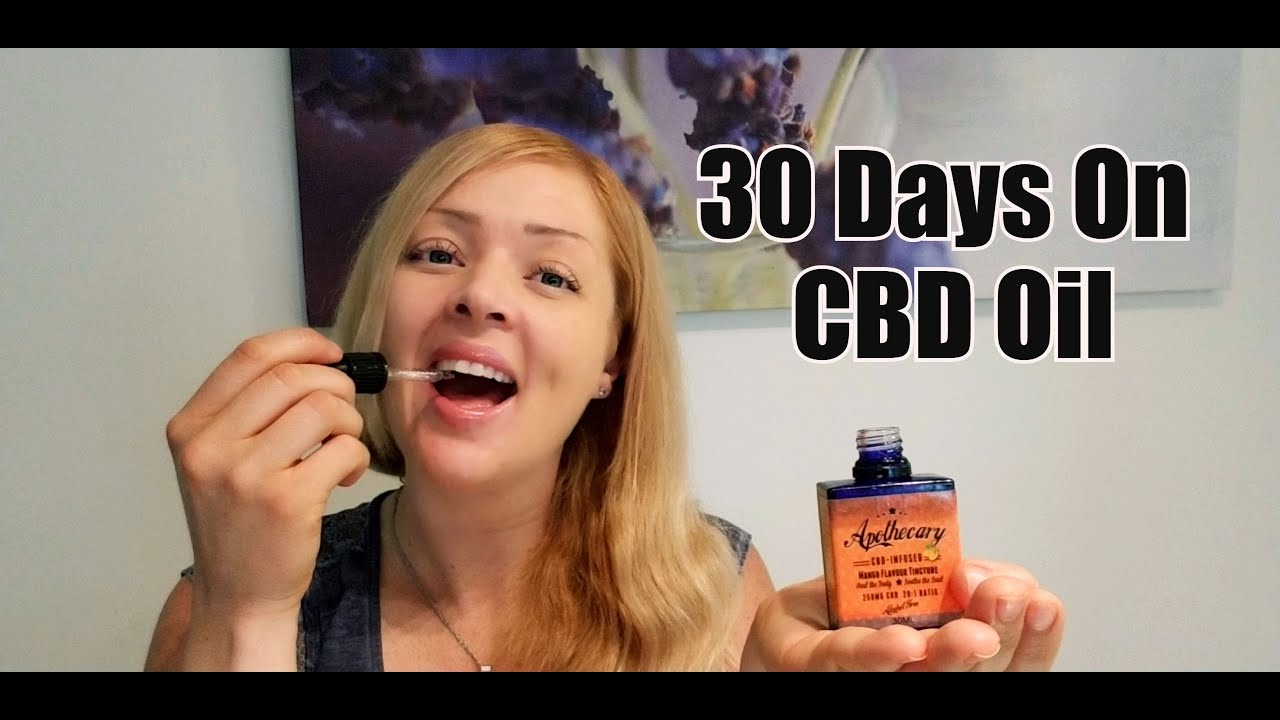
How Medical-Grade Cannabinoids Differ from Store-Bought CBD
For people who want a clearer scientific profile or are trying to treat more significant symptoms, medical-grade cannabinoids present a different path. These include prescription formulations and clinical oversight that address many weaknesses of consumer products.
What sets medical-grade options apart
- Regulated manufacturing and dosing accuracy: Prescription products are produced under stricter controls and have verified concentrations. Clinical oversight: Physicians can assess interactions, adjust dose, and monitor effects over time. Potential access to tailored cannabinoid profiles: Some medical programs use THC-CBD combinations or other cannabinoids when clinically justified, which may produce different outcomes than CBD alone.
On the other hand, medical options are not magic. They can be expensive, require visits and documentation, and in many places have limited availability. In contrast how to read CBD lab reports to casual OTC use, the trade-off is more certainty about what you are taking and closer monitoring for adverse effects or interactions.
When medical-grade makes sense
- If you are on medications metabolized by CYP450 enzymes - for example, certain antidepressants, blood thinners, or antiepileptics - discuss CBD with your clinician first. If symptoms are moderate to severe or have failed standard treatments, a supervised cannabinoid regimen may be appropriate. If workplace drug testing is a concern, medical oversight can help choose products with verified low THC content or recommend alternatives.
Other CBD Formats and Non-CBD Alternatives Worth Considering
Beyond the binary of OTC versus prescription, there are other formats and entirely different approaches that professionals often overlook. Comparing these helps clarify trade-offs.
Formats within CBD
Format Onset Duration Pros Cons Tincture (sublingual) 15-45 minutes 4-6 hours Flexible dosing, faster onset Flavor can be off-putting, requires careful dosing Capsule or edible 30-90 minutes 6-8+ hours Convenient, discreet Slower onset, bioavailability variable Vape or inhale Within minutes 1-3 hours Fast relief Lung risks, harder to dose precisely Topical Variable Local effect Targeted relief for localized pain Limited systemic effectsIn contrast, a format like sublingual drops gives quick feedback for whether CBD is doing anything for your symptom. Capsules are easier for routines but make it harder to titrate. Vapes bring risks many professionals are unwilling to accept.
Non-CBD alternatives to compare
- Therapy and cognitive behavioral techniques for anxiety - durable effects, no pharmacological interactions. Prescription sleep medications - predictable pharmacology but come with dependency or daytime sedation risks in some cases. Exercise, sleep hygiene, and targeted physical therapy for pain - slow to change but often high-return on investment. Supplements with clearer evidence profiles for certain uses, for example melatonin for circadian disruption - simpler to evaluate than the broad claims sometimes attached to CBD.
On the whole, CBD is often best thought of as an adjunct rather than a first-line fix for chronic problems. In contrast, behavioral interventions deliver the kind of sustained improvement most stressed professionals need, even if they take more upfront effort.
Choosing the Right CBD Strategy for a Busy, Skeptical Professional
When you combine the realities above, making a sound decision comes down to a practical process: rule out unsafe or low-quality products, set realistic goals, pick one variable to test, track outcomes, and then iterate. Below is a step-by-step approach that respects time constraints and minimizes the marketing noise.
Define a narrow testable goal: Instead of "CBD for stress" choose "reduce time to fall asleep by 30 minutes" or "lower situational anxiety before client presentations." This makes results measurable. Choose a trustworthy starting product: Look for a brand with recent third-party COA (certificate of analysis), clear CBD mg per serving, and absence of THC above your legal/work threshold. Compared with random shop-bought items, this reduces the risk of surprises. Pick the simplest format that fits your day: For sleep try a capsule at night; for pre-presentation nerves a tincture 30 minutes before may help you evaluate onset and effect. Titrate systematically for two weeks: Start at the low end of recommended dosing, increase in small increments if needed, and avoid switching products during the trial period. In contrast, hopping between gummies and oils will only create noise. Track outcomes and side effects: Keep simple metrics - sleep latency in minutes, subjective anxiety ratings, daytime alertness. If you are on other medications, check with your clinician about interactions early. Decide based on data and cost-benefit: If a clear benefit appears and costs fit your budget, keep using it with periodic reassessment. If not, stop and consider alternatives like sleep coaching or therapy which may be more effective for sustained change.Thought experiment: The 6-week controlled trial
Imagine you commit to a 6-week test. Weeks 1-2 you establish baseline metrics without CBD. Weeks 3-4 you add a carefully chosen CBD product at a conservative dose. Weeks 5-6 you adjust dose if needed. At the end, you compare baseline and intervention weeks. If functionally meaningful changes show up - for example, faster sleep onset, fewer mid-night awakenings, or calmer pre-meeting nerves - then you have evidence to continue. On the other hand, if the change is minimal and costs are stacking up, you saved months of wasted trial-and-error and can pursue alternatives. This structured approach is a small time investment with high clarity payoff compared to random experimenting.
Expert-level cautions
- Be wary of interactions: CBD's effect on liver enzymes matters when you are on medications like statins, anticoagulants, or certain antidepressants. A clinician's input is often worth a short phone consult. Check for adulterants: Some products include other botanicals, melatonin, or sedatives. Those can cloud the signal and cause side effects. Regulation is uneven: In some jurisdictions, products labeled "CBD" may legally contain varying amounts of THC. If you face workplace testing, choose products with rigorous third-party verification of non-detectable THC. Expect modest effects: For many people CBD helps in small but meaningful ways when combined with sleep hygiene, exercise, or therapy. In contrast to marketing, large, fast transformations are uncommon.
In the end, the struggle many professionals face is not because CBD is inherently inscrutable. It comes from a mismatch - the wellness market sells certainty and quick fixes, while the reality of cannabinoids is nuanced and uncertain. By using a methodical, evidence-minded approach you convert the guessing game into an experiment with clear endpoints.
If you want a short checklist to carry into a store or to keep while ordering online, here it is:
- Look for a recent third-party lab report that matches batch numbers. Confirm CBD mg per serving and total mg per bottle. Verify THC level if workplace testing matters. Start with a narrow goal, a simple format, and a two-week trial period. Talk to your clinician if you take other medications.
Use that checklist, and you move from being a skeptical consumer buffeted by marketing into a pragmatic tester who can make a data-driven decision. That is the practical path many busy professionals need - not hype, but a tolerable, evidence-oriented way to find out if CBD fits into a high-pressure life.